Understanding pokies symbol weighting explained in plain English
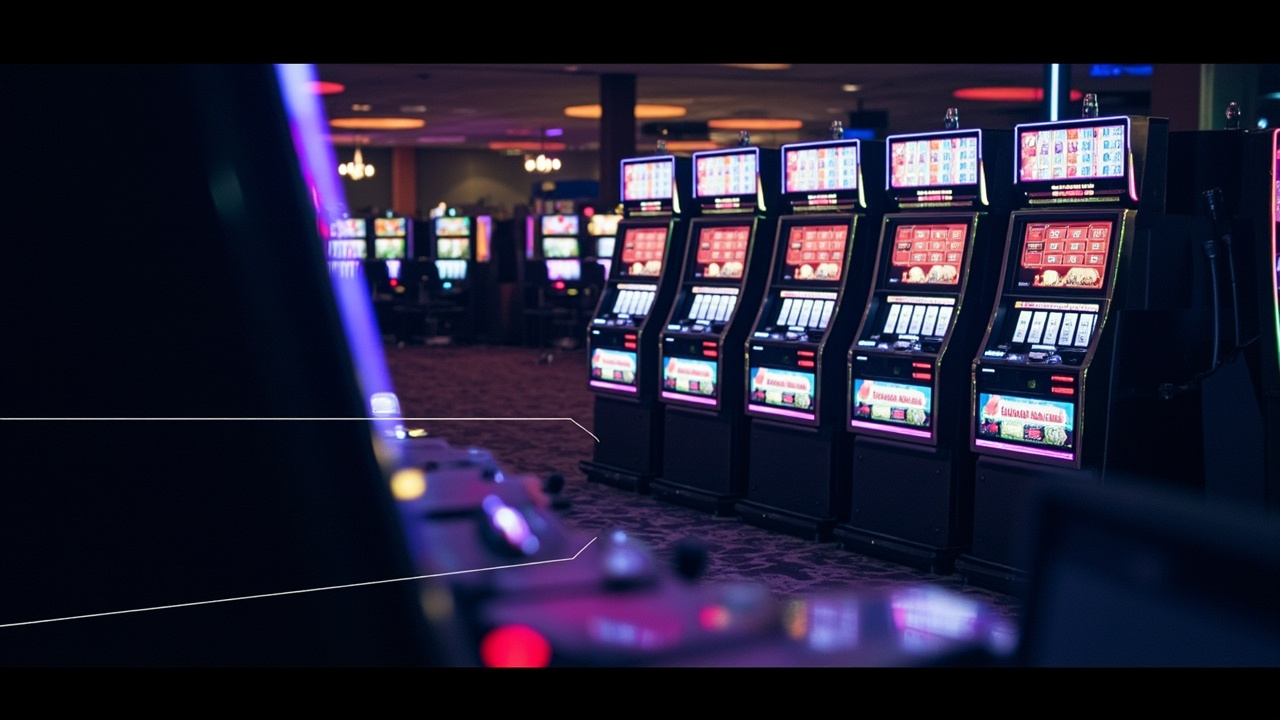
A Saturday arvo at a regional Queensland club, the chocolate wheels spinning at the fete, a few mates around the pokies while the jukebox hums in the corner. That’s the sort of scene where the maths behind the screen matters more than the flashing lights. Most players never ask how the reels actually decide what lands, and that’s fine, but knowing pokies symbol weighting explained in plain English can stop you from reading too much into a cold run or a lucky payline. The weighting is just the probability map behind each symbol, and it’s why a cherry might show up far more often than a top-tier bonus icon even when the screen looks identical from one spin to the next.
How the reels really pick symbols

A pokie does not shuffle a physical deck; it runs a random number generator that maps every possible stop to a weight assigned to each symbol on each reel. If a low-value icon carries a heavy weight, the machine will land it more frequently, which pads the base game with small wins and keeps the rhythm going. Higher-value symbols carry lighter weights so the big hits stay rare, and that is the trade-off built into the maths. The minimum return to player on NSW pokies is typically set around 85% or higher by regulation, which gives operators a floor to work from while still leaving room for different weighting profiles across the same game family. In practical terms, two versions of the same title can feel completely different on the felt because the symbol weights have been tuned for a tighter base game or a more volatile bonus trigger. That is the sort of detail I would flag in a lifecycle review before recommending a title for a retention push, because the weighting profile changes how often players see action versus how often they wait.
| Symbol tier | Typical weighting effect | What it means for the session |
|---|---|---|
| Low-value icons | Heavier weight, more frequent stops | Smaller wins land often, base game stays active |
| Mid-value icons | Balanced weight | Pays out in clusters, keeps the rhythm steady |
| High-value icons | Lighter weight, rare stops | Bigger payouts are uncommon but define the upside |
| Bonus scatter | Carefully tuned weight | Trigger frequency is set to hit the target volatility |
Where the weighting shows up in play
The first place most players notice the weighting is in the gap between frequent small returns and the occasional larger hit. A reel set that leans heavily on lower symbols will feel busy as a Saturday arvo at the club, with plenty of near-misses and tiny payouts keeping the meter moving. A different weighting profile on the same artwork can make the same game feel far more patient, with longer stretches between meaningful pays. That difference matters for how you read a session, because a run of small losses is often just the base weight doing its job rather than a machine “due” to pay. The bonus trigger weighting is usually set separately, so a scatter might be deliberately lighter than the top symbol to hit a target hit rate over thousands of spins. I have seen the same logic applied in SaaS onboarding flows, where you tune the frequency of a reward or prompt so the user sees progress without burning out the feature too early.
Reading the screen without overreading it
A lot of noise gets attached to symbol weighting because players naturally look for patterns in short sessions, and a screen full of low-weight symbols can feel like a message when it is only probability doing its job. The honest read is that weighting shapes the shape of the session, not the outcome of any single spin, and that distinction is worth keeping in mind when you are sizing a stake or deciding whether to switch games. A title with heavier low-symbol weighting will usually keep the action moving with smaller returns, while a lighter profile will ask for more patience between meaningful pays. Neither approach is inherently better for every player; the fit depends on whether you want a steadier rhythm or a more volatile run. The way a lobby presents those choices matters too, because clear sorting and plain-language volatility tags make it easier to pick a weighting profile that suits your session rather than guessing from artwork alone.
How a lobby makes weighting easier to choose
A well-built lobby helps you match a game to your preferred rhythm without making you decode the maths yourself. Clear volatility labels, consistent sorting, and a short description of how often the bonus tends to trigger are the sort of local touches that make the choice easier, especially when the same provider offers several weighting variants of the same title. Navigation should keep the popular games close at hand, the search should handle provider names and game titles without fuss, and the currency display should match what you are actually playing in so you are not mentally converting every spin. When I have reviewed lifecycle flows in FinTech and eCommerce, the recurring lesson is that people stick with a product when the everyday choices are obvious and the language matches the market, and the same applies here. A lobby that keeps the layout clean, the localisation tight, and the game info honest makes it easier to pick a weighting profile on purpose rather than by accident.
Quick checks before you pick a game
- Look for a plain-language volatility or hit-frequency note rather than relying on the artwork alone.
- Check whether the same title has multiple weighting variants and compare the bonus trigger descriptions.
- Use the lobby’s search and sorting to find games that match the rhythm you want for the session. jackpot jill casino real money
- Confirm the currency display and bet ranges match what you planned to play before you spin.
What the weighting cannot do
No weighting profile changes the fact that each spin is independent, and no pattern in the last ten spins tells you anything reliable about the next one. The maths sets the long-run shape of the game, not the short-run result, so a heavy low-symbol weighting will not turn a quiet session into a guaranteed run and a light profile will not protect you from a dry patch. That is the trade-off worth keeping front of mind: weighting explains why a game feels the way it does, but it does not rewrite the odds on any single spin. The practical use of understanding pokies symbol weighting explained is simply to pick a game whose rhythm suits the session you actually want, and to read the results without attaching meaning to short runs that are only probability doing its job.
If you want a session that feels busier with smaller returns, lean toward titles with heavier low-symbol weighting and shorter gaps between base-game pays. If you prefer fewer but larger moments, look for a lighter weighting profile and a bonus trigger set to a lower hit rate. Either way, the choice is about matching the maths to your rhythm, not chasing a result the screen cannot promise.