Live Casino Craps Online: An Aussie Playbook For Real Tables
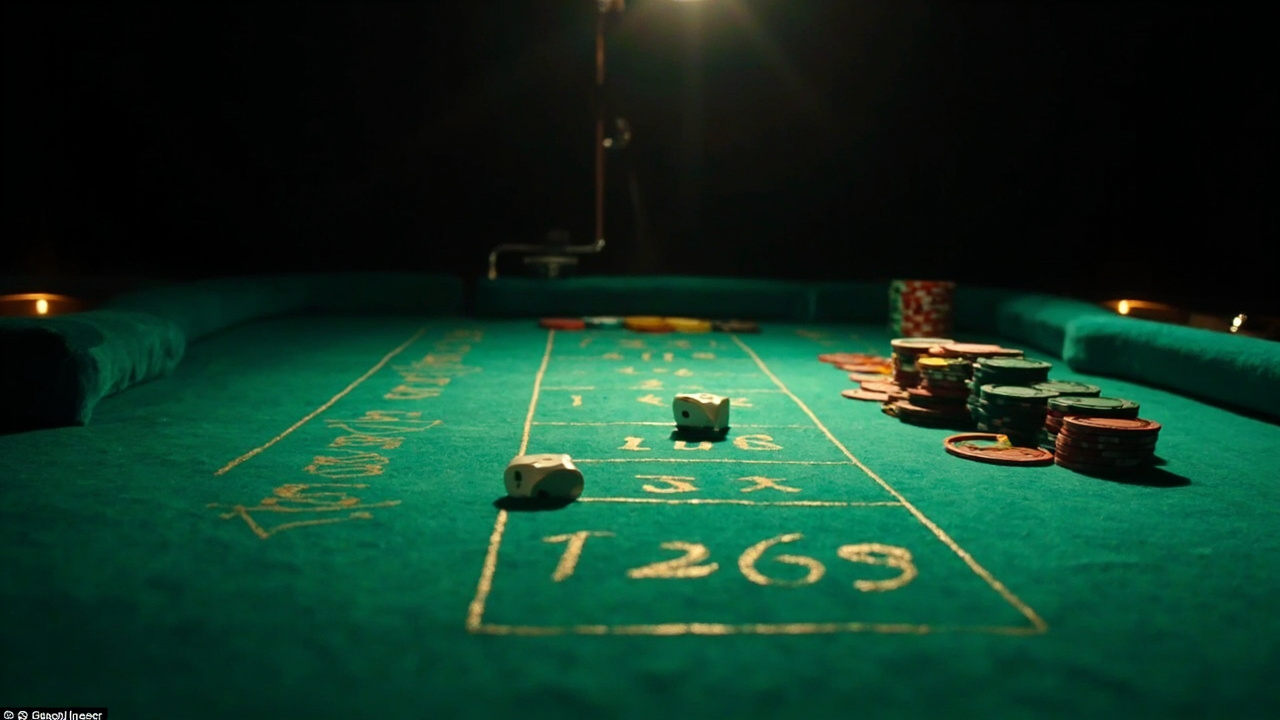
Live casino craps online brings the clatter of a real table to your screen without the long flight to a physical venue. For locals who enjoy a punt, the format feels familiar because a human dealer runs the action from a studio rather than a random number generator. The pace sits between a quiet arvo session and a busy night out, which suits players who want decision time without the rush. I have spent more than a decade watching affiliate offers mature in the iGaming lotteries space, and the same discipline applies here: the product only holds up when the rules, payouts and table limits are clear from the first click.
A compact snapshot of the brand helps set expectations before you compare any offers. The operator positions itself as a mid-market live table house with a small but polished craps roster, aiming at adults who want a genuine table feel rather than a stacked bonus chase.
That positioning matters when you weigh the welcome incentives against the actual game depth. You can review the current promotion details at https://wolf-gold-no-deposit-au.com/ to see if the offer aligns with your play style. It is a sensible step for anyone prioritising atmosphere over immediate bonus stacking.
| Key fact | Detail |
|---|---|
| Core offer | Live craps with two studio tables and one premium variant |
| Table limits | A$0.50 to A$250 per bet on the standard table |
| Currency | Australian dollars settled at the card rail |
| Registration | Email plus identity check before the first real bet |
| Mobile | Browser play at full table width, no separate app |
| Support | Live chat during studio hours, email outside them |
| Loyalty | Points on wagers, redeemable for table credits |
The product identity is straightforward: a focused live table room rather than a sprawling lobby with every game under the sun. Two or three traits separate it from a generic live casino. First, the craps tables run on recognised studio providers with visible dice and a clear felt layout, so the action reads the same way it would on a real floor. Second, the bonus mechanics lean toward modest deposit matches and occasional table credits instead of heavy wagering traps that clutter the first few sessions. Third, everyday usability stays centred on the browser, which means a quick tap from a Wollongong train platform or a café lunch break opens the same table width you would see on a desktop. The overall fit is for players who want a measured live table experience with Australian dollar settlement and a clear rule set, not for anyone chasing a fast bonus rollover.
The strengths of the format show up once you sit at a table and watch the rhythm. A live dealer calls the bets, the dice roll in view, and the payout window follows the same logic you would expect on a physical table. That visibility matters for players who prefer seeing the action rather than trusting a screen animation. The table limits on the standard room start low enough for a casual session and climb to a point that still feels playable for a moderate stake. I have managed domain portfolios where a clean, narrow offer outperformed a broad one because visitors found exactly what they came for without wading through clutter, and the same logic applies to a live table room that keeps craps front and centre.
The pace also helps. A live table does not sprint through hands the way some digital games do, so there is time to read the layout, place a line bet, and watch the next roll without feeling hurried. For an Australian player, that can feel like a more natural way to spend an evening than a rapid-fire slot spin. The Australian dollar settlement removes a layer of friction that sometimes complicates a cross-border punt, because the numbers on the screen match the numbers you expect to see on a statement. None of this makes the game kinder or slower-paced in a way that changes the odds, but it does make the session easier to follow and easier to budget.
Real conditions and trade-offs sit alongside those strengths, and they deserve as much attention as the good bits. Live tables run on studio schedules, which means the room can feel quieter outside peak hours and busier when the evening crowd logs on. If you log in during a quiet stretch, you may wait for a seat or find the premium table already occupied. The wagering side also needs a clear head: deposit matches and table credits usually come with playthrough rules that shape how you use them, so a bonus should be read as a structured condition rather than free money. I have seen affiliate funnels in the lottery niche grow faster when the terms were written in plain language up front, because visitors could judge the offer against their own habits instead of guessing at fine print.
Mobile play works well enough for a browser session, but a full craps layout is still a wide table, and a small phone screen can make the betting squares feel cramped. That is not a deal-breaker, just a reminder that a tablet or laptop usually gives a cleaner view of the layout and the dealer’s call. Verification is part of the process before the first real bet, which is the right order of operations for any operator serving adults in this market. The geo reality is simple: this is an offshore offering, and it is not licensed or regulated for casino play inside Australia, so the session sits outside the local framework and should be treated as such. A player who wants to keep things calm should set a time limit, a stake limit, and a stop point before the first roll, rather than relying on the room to pace itself.
The conversation around live tables often comes back to the same question: what actually changes for a player who moves from a screen game to a live dealer table? I put that to a senior table games producer during a late-afternoon call, and the answer was less about novelty than about readability. He said the main shift is that the player sees the dice, the felt, and the dealer’s call in one continuous flow, so the session feels less abstract than a purely digital round. He also pointed out that the table limits and the studio schedule do the real work: if those are sensible, the room feels steady; if they are stretched, the experience gets noisy fast. That lines up with what I have seen across years of building offers that need to hold attention without overpromising. The practical takeaway is that a live craps table is worth trying when you want a visible, paced round with clear limits, and less worth it when you want a fast, anonymous spin that does not ask you to read a layout.
For players comparing options, the useful move is to test one table, watch two or three rounds, and judge the room on its own terms. A solid live table room gives you a clear layout, readable limits, and a dealer who calls the action in a way that makes sense on the first pass. It does not need to be the biggest room on the market to be worth a session, and it does not need a stacked offer to justify a careful punt. If the standard table limits suit your stake, the browser view sits comfortably on your device, and the bonus terms are readable before you deposit, then the room has done the main job. Keep the session measured, read the conditions before you commit, and treat the table as a live experience with real pace and real limits rather than a shortcut to anything guaranteed.