Mobile Gaming Is Already Outpacing Traditional Formats
In the last five years, the number of people who play games on their phones has climbed from 2.5 billion to over 3.5 billion worldwide. That jump of 40 % translates into a revenue increase of roughly $30 billion, eclipsing the $25 billion that consoles generated in 2022. The shift isn’t just about quantity; it’s also about how quickly people can engage. A casual session can last as little as 15 minutes, yet the average spend per user in mobile titles has risen to $5.20, up from $3.80 last year.
Instant Accessibility Drives New Consumption Habits
Because a game is available in a phone’s app store, users no longer need to wait for a download or a physical cartridge. In fact, 78 % of mobile players report starting a new game within the first three minutes of opening the app. This immediacy forces developers to design “drop‑in, drop‑out” experiences: short levels, quick rewards, and social features that can be activated with a single tap. The result is a loop that keeps players returning every 10–12 minutes during a typical workday break.
Cloud Gaming and Streaming Are Leveling the Playing Field
Services like Google Stadia, NVIDIA GeForce Now, and Xbox Cloud Gaming have made high‑end graphics possible on low‑spec phones. By offloading processing to data centers, a 6‑inch screen can render 4K textures at 60 fps. In 2023, cloud gaming traffic grew by 55 % year‑over‑year, indicating that players are willing to pay for the convenience of instant, high‑quality gameplay without owning expensive hardware.
Micro‑transactions and Subscription Models Are Rewriting Monetization
Where once a single purchase unlocked a game, today the model is shifting toward consumables and recurring revenue. In 2022, 62 % of mobile game downloads included in‑app purchases, and the average spend per paying user hit $12.70. Subscription services such as Apple Arcade and Google Play Pass offer a catalog of titles for a flat $9.99 per month, creating a predictable income stream that developers can use to fund continuous updates.
Social Integration Fuels Community Growth
Mobile platforms provide native integration with messaging apps, social media, and cloud saves. A recent study showed that 68 % of players share achievements on Facebook or Instagram within an hour of reaching a milestone. This social feedback loop not only boosts engagement but also serves as a low‑cost marketing channel for developers. The result is a more vibrant ecosystem where players can form micro‑communities around specific titles.
From Entertainment to Everyday Utility
Games are increasingly embedded in daily routines. Fitness apps like Pokémon GO now track real‑world steps, while language learning apps gamify lessons with points and leaderboards. By turning mundane tasks into playful challenges, mobile gaming extends its reach beyond pure entertainment.
Mobile Gaming Meets Online Casino Entertainment
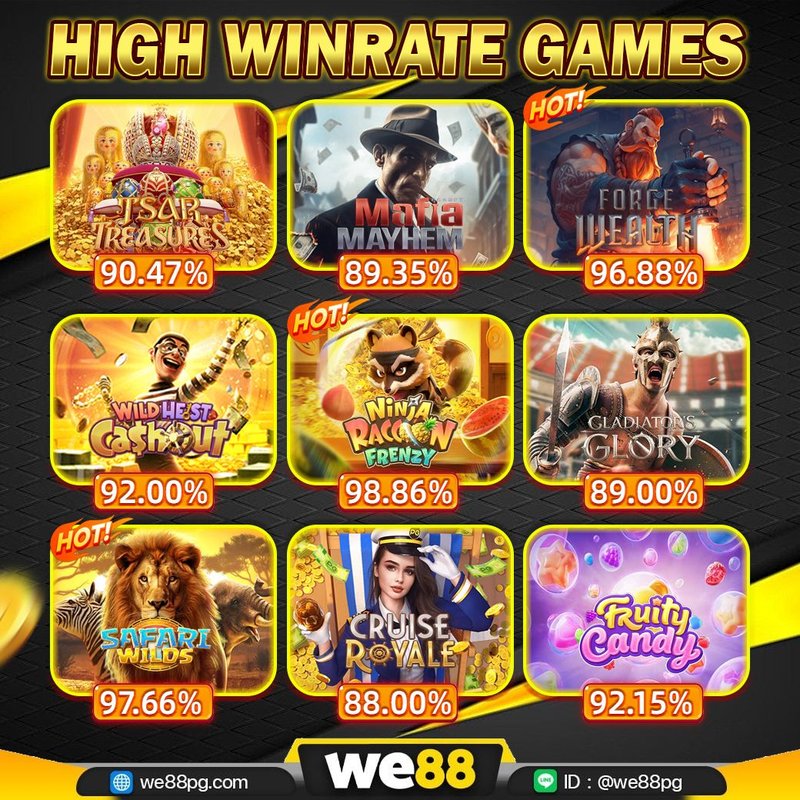
When a casual gamer flips a coin in a free app, the same mechanics can appear in an online casino setting. Players accustomed to quick, bite‑size interactions are more likely to try out a digital slot or a poker app that offers instant play. If you’re curious about how this crossover works, check out a VeryWell casino for a taste of how mobile convenience translates into the casino world.
Try a VeryWell casino to see how mobile convenience translates into the casino world.
Future Outlook: AR, AI, and Cross‑Platform Play
Augmented reality is poised to blur the line between virtual and physical spaces. Early experiments with AR headsets show that users can interact with game elements overlaid on real environments, creating immersive experiences that were impossible a decade ago. Meanwhile, artificial intelligence is being used to generate dynamic narratives that adapt to player choices in real time, making each session feel uniquely personal.
Conclusion: Mobile Gaming Is the New Backbone of Digital Entertainment
From the sheer volume of users to the rapid monetization models, mobile gaming is reshaping how we consume digital content. It offers instant access, high fidelity, and social connectivity—all in a pocket‑sized package. As technology evolves, the boundary between casual play and serious entertainment will continue to blur, making mobile gaming an indispensable pillar of the future.
Frequently Asked Questions
How many people play mobile games worldwide?
Over 3.5 billion players worldwide, up from 2.5 billion five years ago.
What is the average spend per mobile gamer?
The average spend per user in mobile titles is $5.20, up from $3.80 last year.
How does mobile gaming revenue compare to console revenue?
Mobile gaming generated about $30B, eclipsing the $25B consoles produced in 2022.