Casino SSL Encryption Australia: How Secure Sessions Protect Your Cash
When I led a wagering platform through a compliance audit in Sydney, the first thing regulators asked for was our encryption handshake, not our bonus terms. Security is the quiet engine behind every deposit and withdrawal, and it matters just as much as the payout speed. For players comparing options, understanding how a site protects data is the difference between a smooth session and a frozen account.
How Encryption Standards Guard Your Deposits
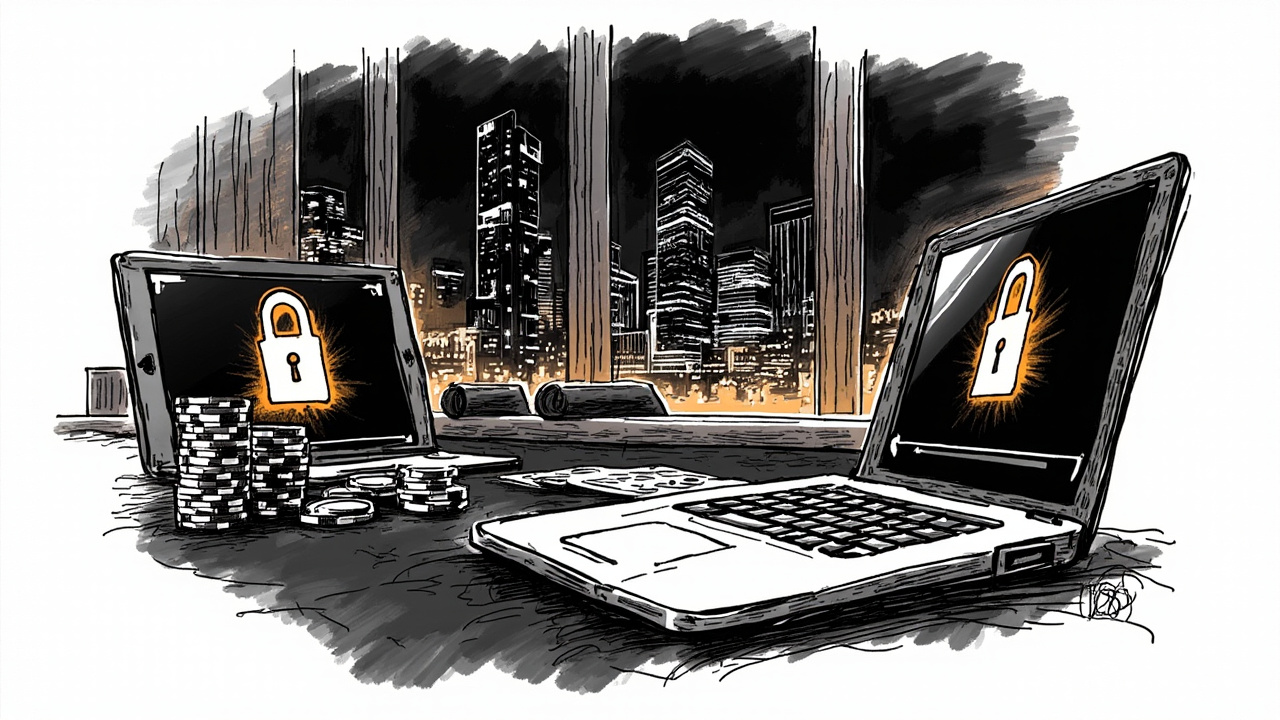
Secure sockets layer technology creates an encrypted tunnel between your browser and the casino’s server, scrambling sensitive details before they travel across the internet. In my experience scaling a startup to exit, we treated encryption certificates as non-negotiable infrastructure, similar to how a bank guards its vault keys. When you enter card details or verify identity, that layer prevents interception by third parties lurking on public networks. Players in Perth often connect from cafes or home routers that may not be fully secured, so that encryption layer acts as a critical buffer against casual snooping.
The certificate itself is issued by a recognised authority and validates the site’s identity before any data moves. You can usually spot the padlock icon in the address bar, though savvy users should click it to confirm the issuer and expiry date. A valid certificate means the session is authenticated, but it does not guarantee the operator is reputable beyond that technical check. I once advised a partner to walk away from a flashy site because their certificate was self-signed, which is a red flag for anyone treating their money seriously. For a closer look at operators that maintain proper security standards, you can review the security details at https://heapsofwinscasino-aus.net/en-aus2 before funding any account.
| Feature | What to Check | Why It Matters |
|---|---|---|
| Certificate Authority | Valid issuer, not self-signed | Confirms site identity |
| Protocol Version | TLS 1.2 or higher | Older versions are vulnerable |
| Padlock Icon | Visible in address bar | Indicates active encryption |
| Session Timeout | Auto-logout after inactivity | Prevents unauthorised access |
Cashier Flow and Verification Under the Hood
The cashier is where encryption meets real money, and the flow should feel consistent from deposit to withdrawal. When I managed retention strategy for a fintech wagering product, we found that payment friction often stemmed from unclear verification steps rather than the payment method itself. Australian players typically use AUD, and the site should display limits and processing times upfront without making you hunt through terms. A secure session ensures your card number or e-wallet credentials stay protected during that transaction handoff.
Verification is a separate layer that often triggers after the first withdrawal request, and it requires identity documents to comply with anti-money laundering rules. This process is standard across the industry, and skipping it usually means funds stay stuck until you upload the required files. Encryption protects the documents you upload, but the operator still controls the approval timeline. I recall a colleague comparing two platforms where one processed withdrawals in hours while the other took days, and the difference came down to how quickly their compliance team reviewed the encrypted uploads. If you are new to this, treat verification like a library card application: provide clear scans, match the name on your account, and keep copies for your records.
What Beginners Should Check Before Funding
If you are just starting out, treat security like checking the tyres before a long drive. You do not need to be a technician to spot the basics, and a few minutes of checking can save you headaches later. Here is a simple checklist to run through before you put any money in.
- Look for the padlock icon and click it to read the certificate details.
- Confirm the site uses HTTPS in the address bar on every page, not just the login.
- Check that the operator lists a valid licence number and contact details in the footer.
- Read the payment terms to see if there are currency conversion fees for AUD deposits.
- Test the support channel with a quick question to see if responses come through securely.
This approach keeps things practical without overcomplicating the process. I often tell new users to think of encryption as the lock on your front door; it keeps most trouble out, but you still need to know who is inside. Harrison Stewart, Managing Partner at Capital Territory Gaming Forum, notes that players should verify the encryption claim independently rather than trusting marketing copy alone.
Limits, Currencies, and What Can Go Wrong
Even with strong encryption, things can stall if the operator’s internal processes are slow or unclear. Processing times vary by method, and e-wallets often move faster than card reversals, but the site’s queue matters just as much. Currency handling should stay in AUD to avoid conversion surprises, and limits should be visible before you click confirm. I have seen accounts pause because a player changed devices without updating their security profile, which is a reminder that encryption protects the channel but does not replace good account hygiene.
Withdrawal caps and verification holds are common, and they exist to keep the platform compliant rather than to frustrate you. If a site hides these details behind vague terms, that is a signal to slow down and read the fine print. Eliza Kelly, Chief Financial Officer at Australian Gaming Futures, warns that opaque payment terms often signal weaker operational controls behind the scenes. For players comparing options, the goal is to find a cashier that is transparent about limits and timing, not just one that looks polished on the surface. If you want to compare how different operators handle these details, you can check the payment breakdowns at https://heapsofwinscasino-aus2 and see which structure fits your play style.
Security is the foundation, not the whole building, and a safe session only matters if the rest of the operation holds up. Look for clear encryption, honest payment terms, and a verification process that feels fair rather than obstructive. If those pieces line up, you can focus on the game instead of worrying about your data.